The 3 Biggest Issues Emerging Luxury and Premium Brands Are Facing Right Now
For the last decade, many emerging luxury and premium brands were able to grow on the back of a fairly generous environment: low-cost customer acquisition, social media virality, aspirational shopping, post-pandemic revenge spending, and a customer who was often willing to pay more if the product looked desirable enough. A beautiful campaign, a strong Instagram presence, a founder story, and a visually seductive product could create momentum quickly.
Read More
The Luxury Market Is Entering a New Cycle — And Small Brand Founders Need to Prepare Now
For the past few years, fashion and luxury have been living inside a strange kind of optimism.
After the shock of 2020, the industry bounced back with surprising force. Consumers returned to shopping. Luxury spending surged. Brands raised prices. New labels launched. Social media made it look as though everyone was building, buying, travelling, styling, investing, expanding.
Read More
Why Your Sales Are Declining: Is It the Economy, or Is It Your Own Inability to Effectively Market Your Brand?
This blog is not here to shame founders. Building a luxury fashion brand is difficult. Building one without the infrastructure, budget, heritage, press machine, retail relationships, and cultural power of established maisons is even harder.
Read More
The Architecture of Desire: Decoding the Soul of Storytelling in Luxury Fashion
There is a profound and beautiful irrationality at the heart of luxury fashion. If we were to look at clothing and accessories purely through the lens of utility, the global luxury market would collapse overnight.
Read More
Business Structure + The Art Effect: The Magnetic Formula Behind Every Luxury Brand That Sells
Luxury is not built on aesthetics alone. The most beautiful dress, the sharpest tailoring, or the most avant-garde campaign can win applause, but applause does not pay the bills, scale your brand, or build legacy. What sustains a luxury fashion brand in 2025 and beyond is a precise alchemy:
Read More
The Great Unbundling: Why Your Brand's Social Media Strategy is Chasing Ghosts
There's a quiet exodus happening right now, and most brands are too busy optimizing their Instagram Reels to notice.
The most valuable consumers-the ones who set trends rather than follow them, who influence purchasing decisions in their networks, who command premium pricing power-are disappearing from social media. Not in a dramatic, account-deletion way, but through something far more damaging to brands: disengagement. They're still there, technically. Their profiles exist. But their attention, their trust, their willingness to be influenced? That's gone elsewhere.
Read More
The Showrunner's Guide to Brand Strategy: Why the Best Brands Produce Culture, Not Ads
For decades, brands operated under a simple premise: interrupt people's attention, deliver your message, move on. This model made sense in a world of scarcity-three TV channels, a handful of radio stations, limited shelf space in physical stores. Brands paid to interrupt programming because that was the only way to reach people at scale.
Read More
The Future of Luxury and Premium Clothing Manufacturing: A 2026 Guide for Discerning Brand Owners
The landscape of luxury and premium clothing manufacturing has transformed dramatically. As we navigate 2026, brand owners face a unique convergence of challenges and opportunities: evolving consumer expectations, technological disruption, regulatory compliance, and a fundamental reimagining of what "premium" means in the modern marketplace.
Read More
The Ethics Crisis in Brand Building: Why Experience Matters More Than Followers
In the age of social media, everyone with a camera and an opinion has become a self-proclaimed expert. But when it comes to building brands and businesses, there's a dangerous gap between those who've actually done the work and those who simply talk about it..
Read More
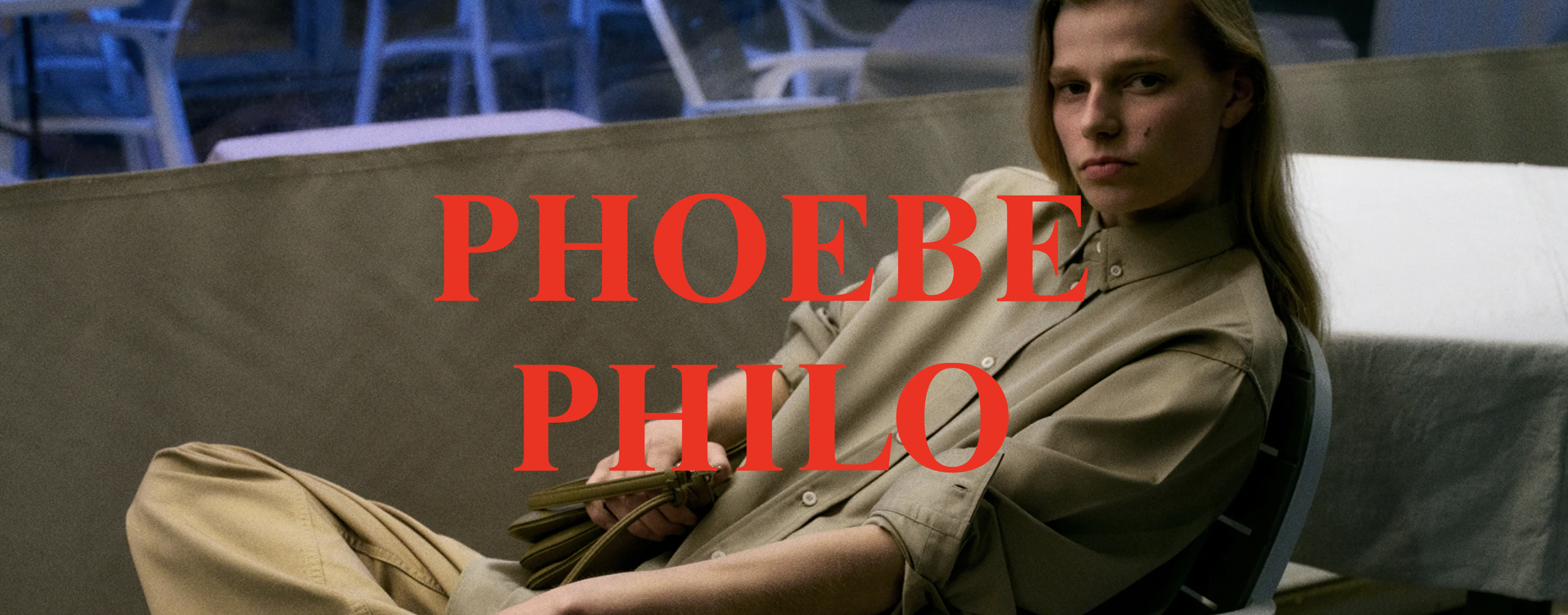
The Relentless Influence of Phoebe Philo on the New Generation of Fashion Creative Directors
In the pantheon of fashion's most influential figures, few names resonate with quite the same quiet power as Phoebe Philo. While other designers court celebrity and spectacle, Philo built an empire on restraint, intelligence, and an almost philosophical approach to dressing modern women. Her influence extends far beyond the garments she created during her tenure at Céline from 2008 to 2017; it has fundamentally reshaped the landscape of contemporary fashion and inspired a generation of creative directors who now helm some of the industry's most prestigious houses.
Read More
The Resale-First Generation: How Gen Z Rewired the Logic of Luxury
When 58% of shoppers prefer the secondary market outright — and nearly half evaluate resale value before buying anything new — something fundamental has shifted. This is not a trend. It is a complete reordering of how luxury works.
Read More
The Great Fashion Divide: Are You Building a Label or an E-commerce Machine?
The fashion industry has a unique ability to blur the lines between art and commerce. Every day, thousands of ambitious founders launch new ventures in the apparel space. They register a domain, set up a Shopify store, design a logo, and announce to the world that they have started a "fashion brand."
Read More
How to build a luxury brand that inspires, resonates, and endures
rue luxury is not produced, it is felt.
It is energy, not formula.
You cannot “create” it through campaigns; you can only embody it.
Every great luxury house, from Hermès to The Row, began with perception, not with a plan.
Its founders didn’t think in terms of “positioning,” but in terms of presence.
They saw the world differently.
They felt the detail, the form, the light, the sound, the ritual.
When a founder views the world through an aesthetic and emotional lens,
their brand doesn’t just look different - it feels different.
And that feeling is the true value the client pays for.
Read More
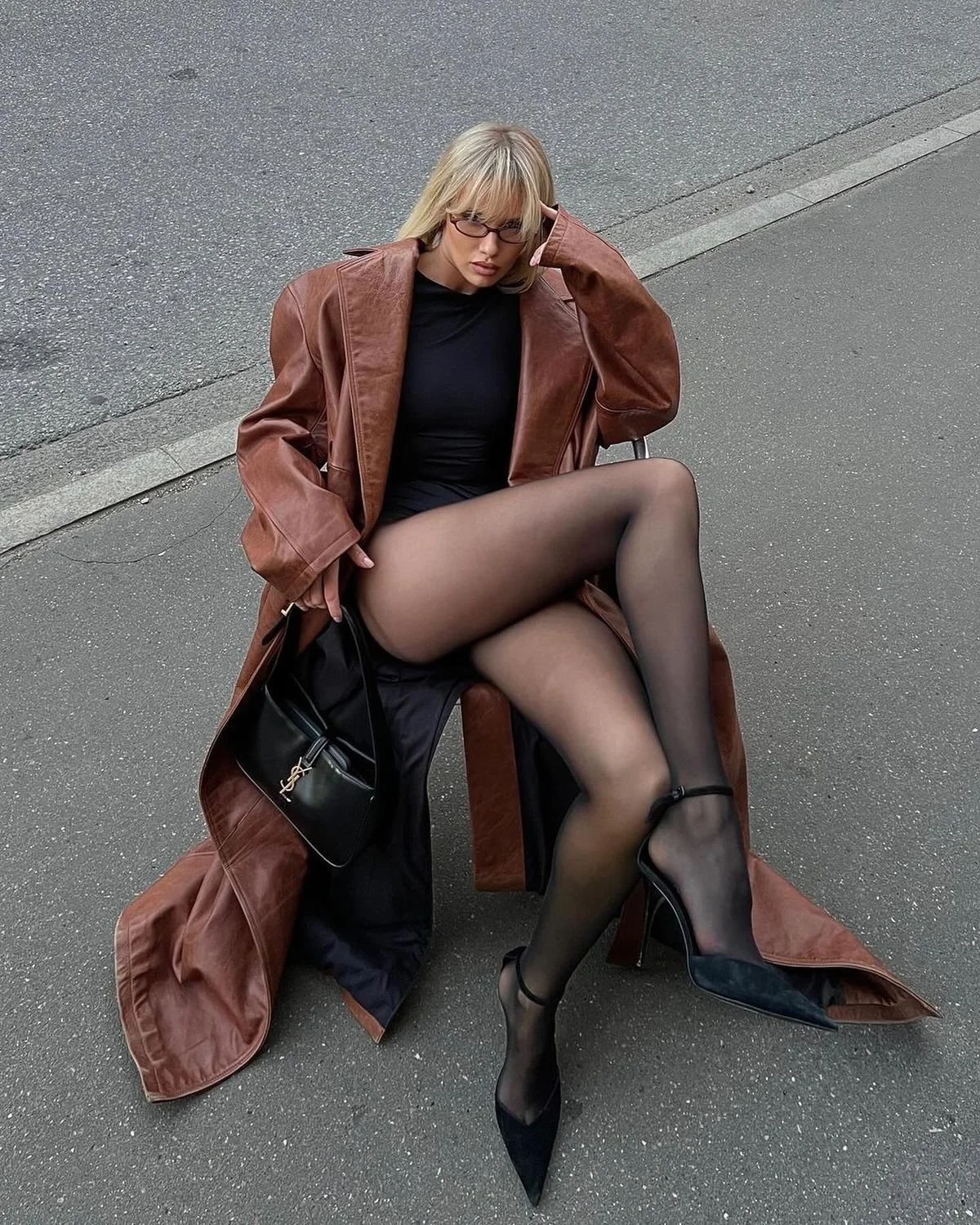
Why Saint Laurent Won 2025 Hottest Brand Lyst
In a year when nearly every major fashion house was rethinking, restructuring, or rebranding, Saint Laurent rose to become the most in-demand luxury brand in the world. What makes this achievement remarkable is not that the brand reinvented itself, but that it refused to. The entire industry has been moving through its most chaotic era in over a decade, creative-director rotations, sudden aesthetic shifts, panic-driven pivots, experimental marketing, and a scramble to chase “viral” fashion moments. Yet while the landscape swirled, Saint Laurent stayed still. It strengthened its roots. It sharpened its identity. And in doing so, it did what so few brands today have the discipline to accomplish: it built long-term power.
Read More
Why the Smartest Brands Are Going Offline Again
We’re living in the era of peak content.
Infinite scroll. Infinite opinions. Infinite brands competing for the same sliver of attention. And while the internet promised scale, speed, and democratization, it also created fatigue - for consumers and brands alike.
The smartest brands have noticed.
And they’re quietly returning to an old-school playbook.
Not because digital doesn’t matte, but because digital alone is no longer enough.
Read More
Marketing in 2026: From Attention-Seeking to Trust-Building
For over a decade, marketing operated on a simple premise: more attention equals more growth. Louder campaigns. Faster content cycles. Bigger claims. Shorter hooks. Endless novelty.
And then… fatigue set in.
By 2026, the cracks in attention-driven marketing are no longer subtle, they’re structural. Consumers are not just overwhelmed; they are selectively disengaged. They are no longer passively consuming brand messages. They are actively filtering them out.
What we are witnessing now is not the death of marketing, but a recalibration.
Read More
How Brands Build Games, Literally and Strategically
There is an old, unwritten rule in the high temples of fashion that silence is golden. For decades, the hallmark of true luxury was distance. Brands like Chanel, Saint Laurent, and Hermes operated like monarchies: distinct, serious, and imposing. They stood on pedestals, and the consumer stood below, looking up.
But the atmosphere has shifted. In the age of the meme, the drop, and the digital avatar, the pedestal has been replaced by a leaderboard.
Read More
Your Product Must Be Its Own Best Marketer
In the golden age of traditional retail, "brand" was the story you told around a product. It was the glossy magazine spread, the television commercial, the typeface on the shopping bag, and the interior design of the flagship store. The product sat quietly in the center of this ecosystem, waiting to be discovered.
Today, that architecture has inverted.
We live in the era of the infinite scroll. The "storefront" is now a 5-inch glass screen, and the "customer journey" is a chaotic, rapid-fire sequence of thumbnails whizzing by at high velocity. In this environment, the brand narrative is often too slow to load or too subtle to notice. The ambient style layer—your logo, your font, your ethos—is secondary.
Read More
Why Virality is No Longer the Holy Grail
I cannot remember what went viral last December. I’ve tried. I’ve scrolled back through my saved folders, checked the archives of trend-spotting newsletters, and asked friends. The result is a collective, hazy shrug.
However, I can easily remember things that were viral in 2016 (Hygge, Pokémon GO, the Snapchat Dog filter, Carpool Karaoke). I can vividly recall 2014 (Pharrell’s oversized hat, the Ice Bucket Challenge). I can still do the dance from 2012 (Gangnam Style). I remember the physical act of "planking" in 2010. I recall the "Hope" posters of 2008. I remember watching OK Go on treadmills in 2006 on a desktop computer.
Read More